Chestnut Festival - Rossiglione (Genoa)

Chestnuts, tradition and community in the Stura Valley

Where: Rossiglione Inferiore (GE), Stura Valley

When: first Sunday in October

Official Website : expovallestura.it

E-mail: prolocorossiglione@gmail.com | 371 1552574

The Party

Every autumn, on the first Sunday in October, Rossiglione is filled with the scent of roasted chestnuts and the warmth of a community that comes together. The Chestnut Festival, known locally as Castagnata, is one of the most popular events in the Stura Valley, and in 2024 it reached its 44th edition.

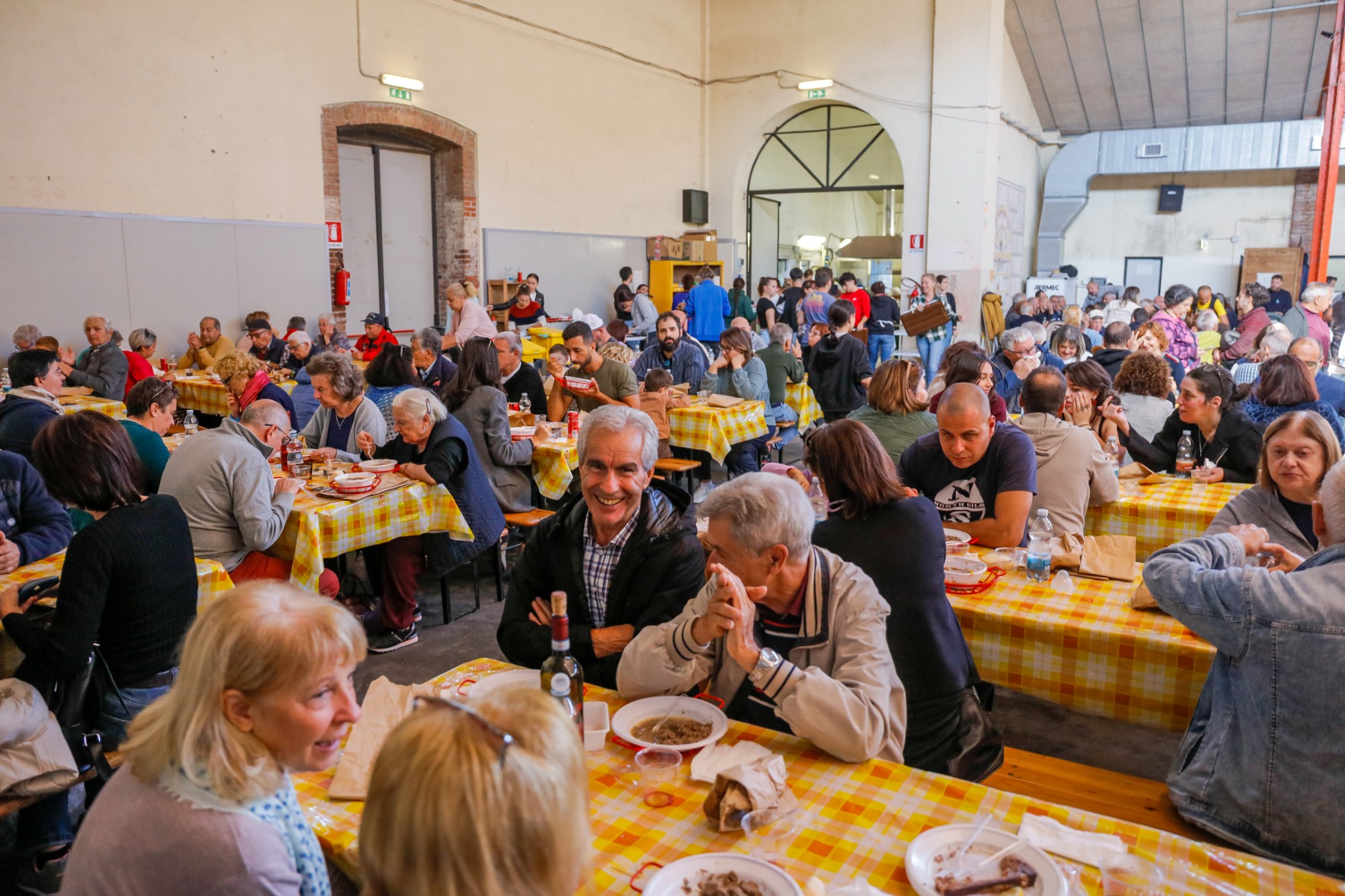
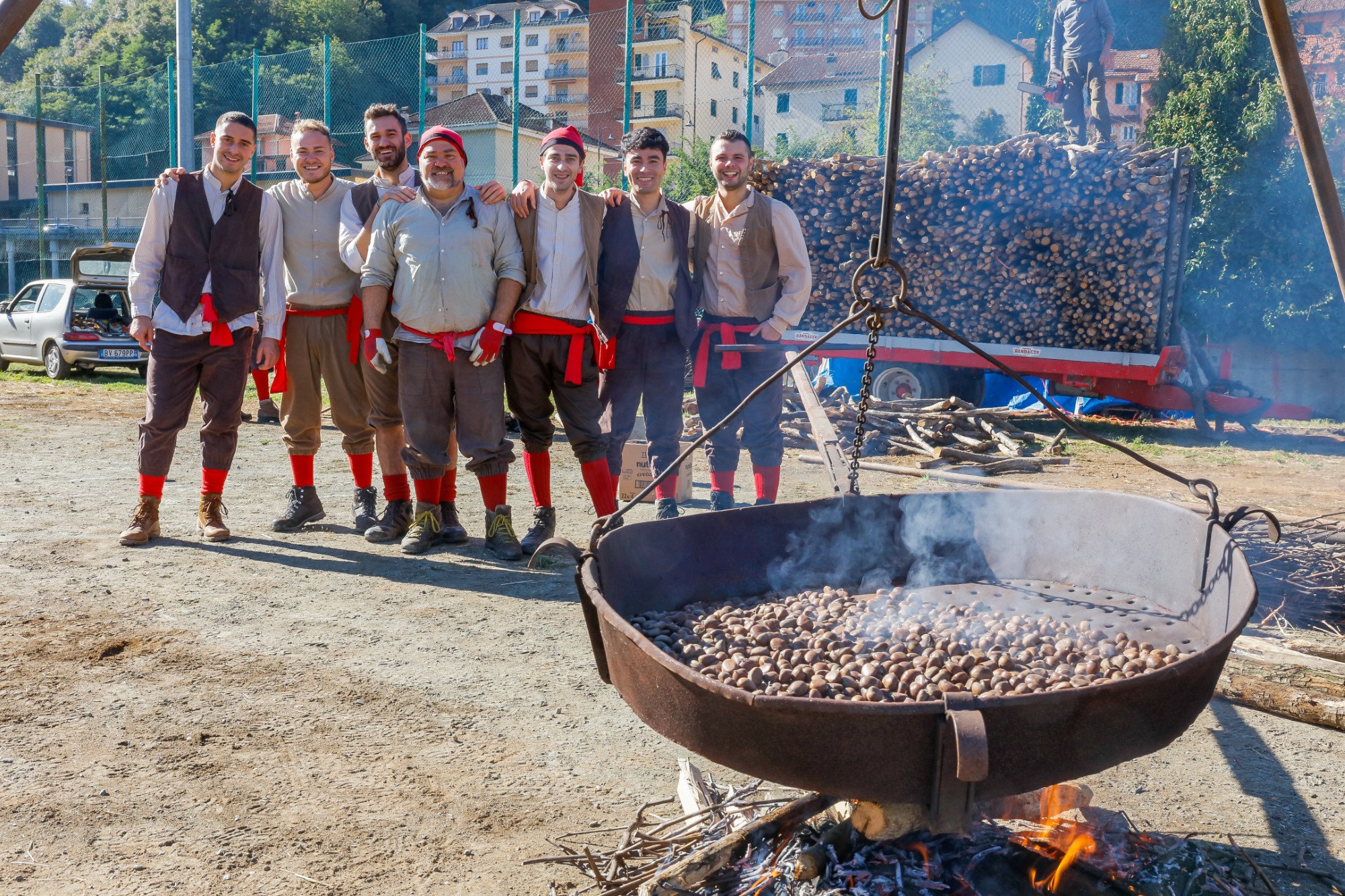
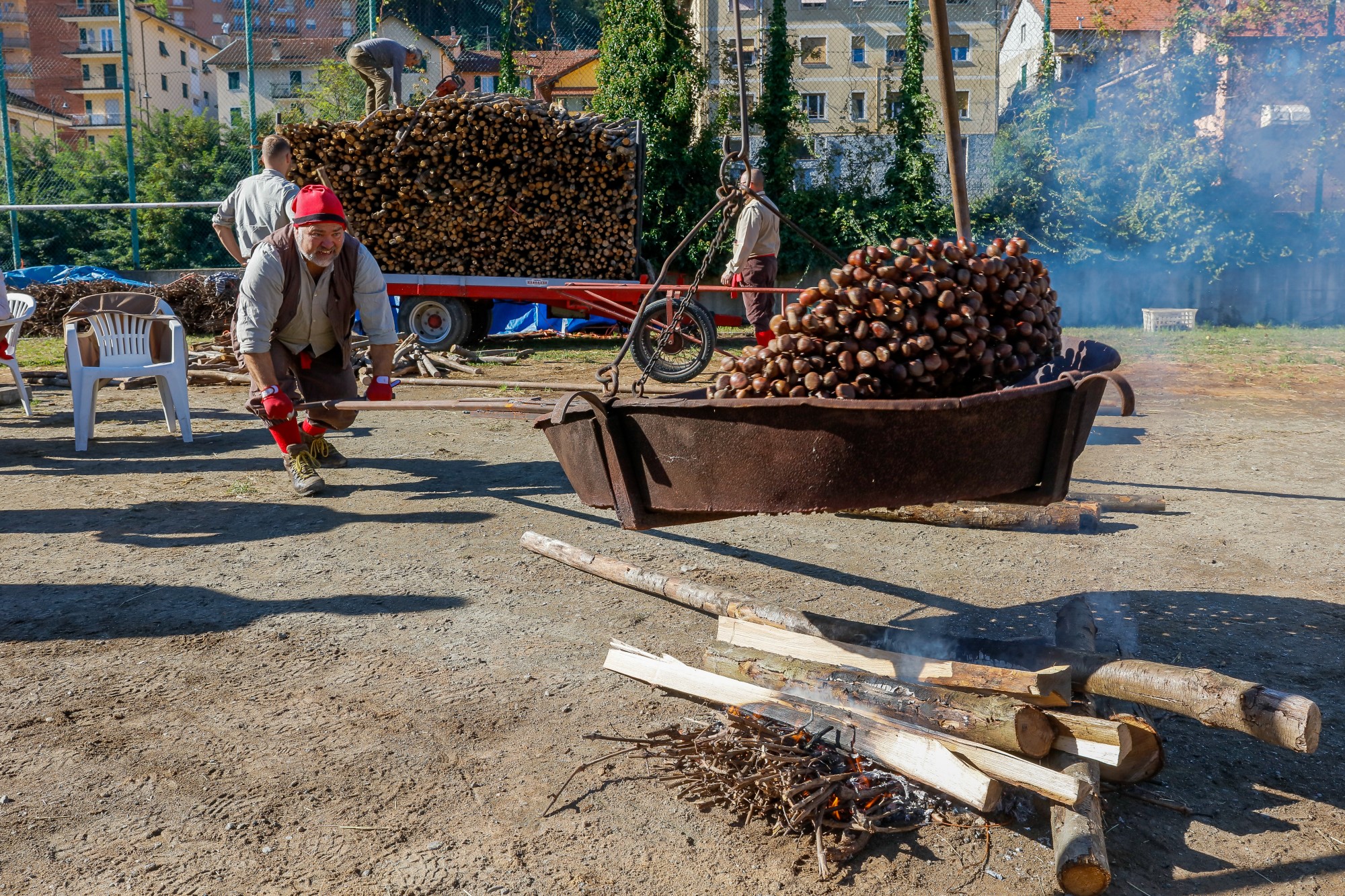
Organised by the Municipality and the Pro Loco of Rossiglione, the festival celebrates the chestnut as a symbol of local identity and rural tradition. More than 30 quintals of chestnuts are roasted on the spot to create the famous rustie, distributed among food stands, music and moments of conviviality.

The young people of the village actively participate, often wearing traditional foresters' clothes, and contribute to maintaining an authentic link with the history and values of the area.

Experiences offered

  • Taste rustias and other local products at food stands.
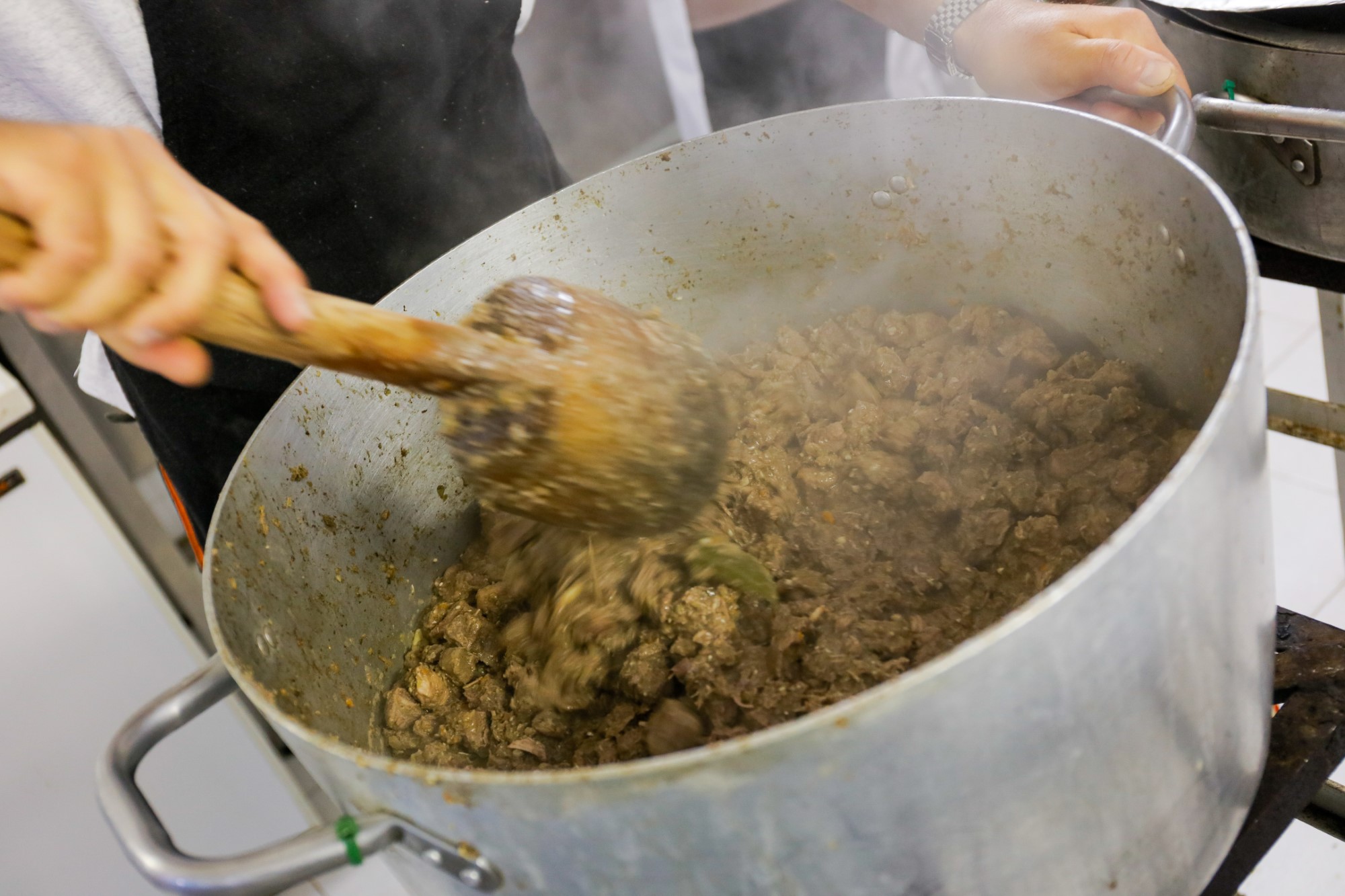
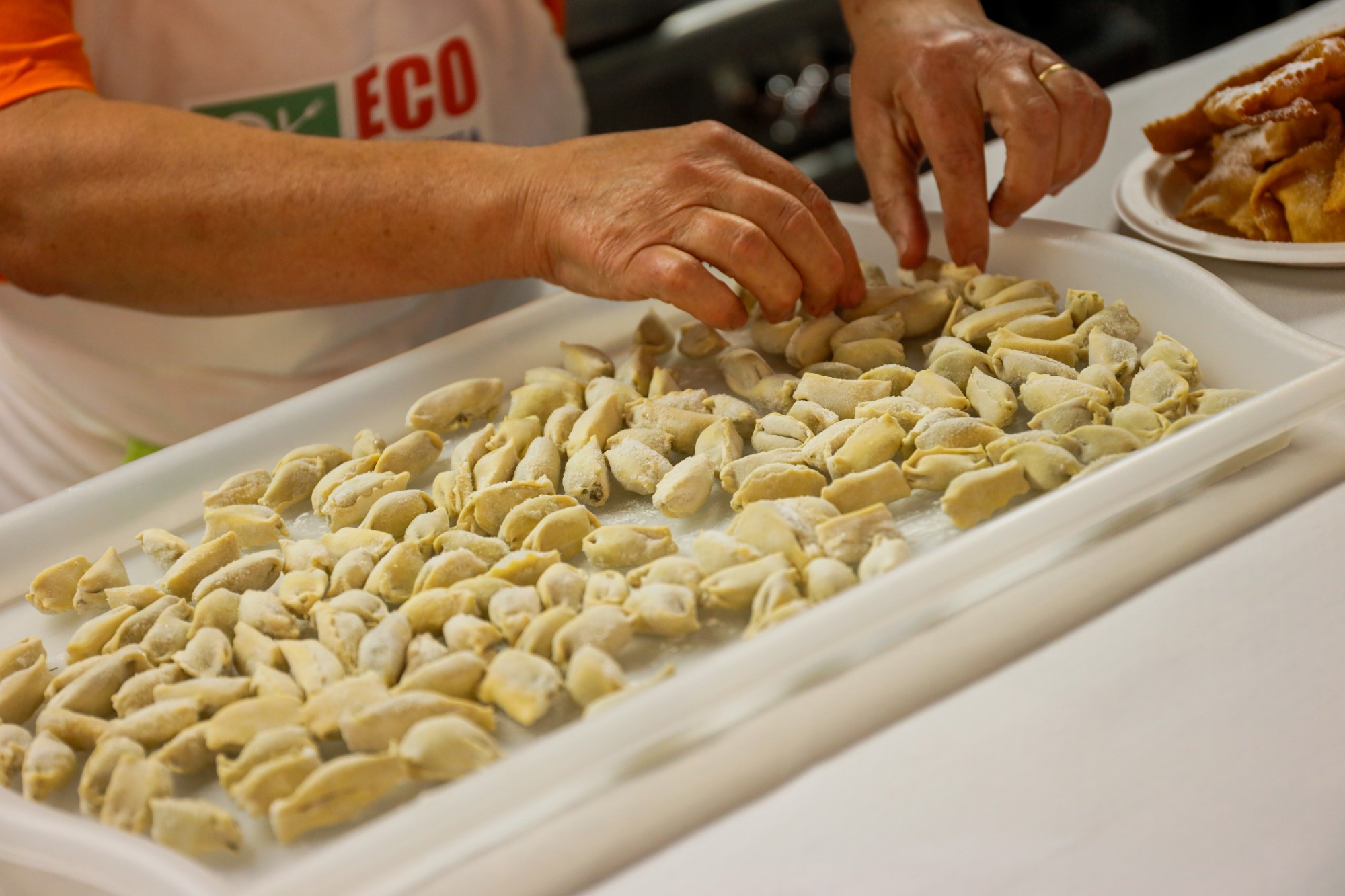
  • Taste typical dishes such as Rossiglione long focaccia, polenta and hazelnut cake, corn canestrelli and the traditional dessert Tiarun.
  • Participate in folklore activities and performances.
  • Discover the village of Rossiglione, with its two hamlets, Superiore and Inferiore, and their oratories and historical buildings.
  • Travel aboard the historical train organised on the occasion of the festival (check availability on the official website).

Proposal for a long break

Expand All
Day 1 - Arrival in Rossiglione, visit the village and Tiglieto

Morning: Rossiglione, a historical village in the Stura Valley on the border with Piedmont, is characterised by a dual soul: Rossiglione Superiore and Rossiglione Inferiore, evidence of a past marked by both rural life and industrial development linked to ironworking and the proximity of the Turin-Genoa railway line. Rossiglione Superiore houses the Parish Church of Santa Caterina and the Oratory of San Sebastiano, while Rossiglione Inferiore captivates with its medieval bridge and the Oratory of Nostra Signora Assunta. The territory of Rossiglione is included in the Beigua Natural Park - a UNESCO Geopark, which offers scenery of great beauty and trails suitable for excursions, walks and outdoor activities. Its complex history, once divided between different dioceses, still leaves visible traces in its architecture, religious traditions and the strong sense of identity that unites its inhabitants.

TO SEE: PassaTempo Museum, Parish Church of St Catherine, Oratory of the Assumption, Medieval Bridge, Chapel of St Bernard.

LunchTaste the local specialities, such as the renowned focaccia lunga di Rossiglione, made with maize flour, and the tasty farinata di ceci (chickpea flatbread), in one of the restaurants that enliven the village.

Afternoon: Tiglieto, a small municipality in the Ligurian hinterland in the Val d'Orba, is surrounded by woods, meadows and streams, making it an ideal destination for hikers and nature lovers. The origins of the village date back to Roman times, with the agro-pastoral settlement of Civitacula, while the present name appears only in the late Middle Ages, probably linked to the presence of lime trees. The heart of local history is the Abbey of Santa Maria alla Croce, founded in 1120 by the Cistercians, one of the oldest Cistercian monastic complexes in Italy and the first to be built outside France. The Romanesque-style abbey comprises a church, convent and cloister, and was for centuries the main settlement in the area. Near the Orba torrent there is a stone bridge built by the monks, a historical and engineering testimony immersed in the evocative natural landscape.

RECOMMENDED: Abbey of Santa Maria alla Croce (Badia di Tiglieto), Montecalvo viewpoint.

Day 2 - “Castagnata” chestnut festival”

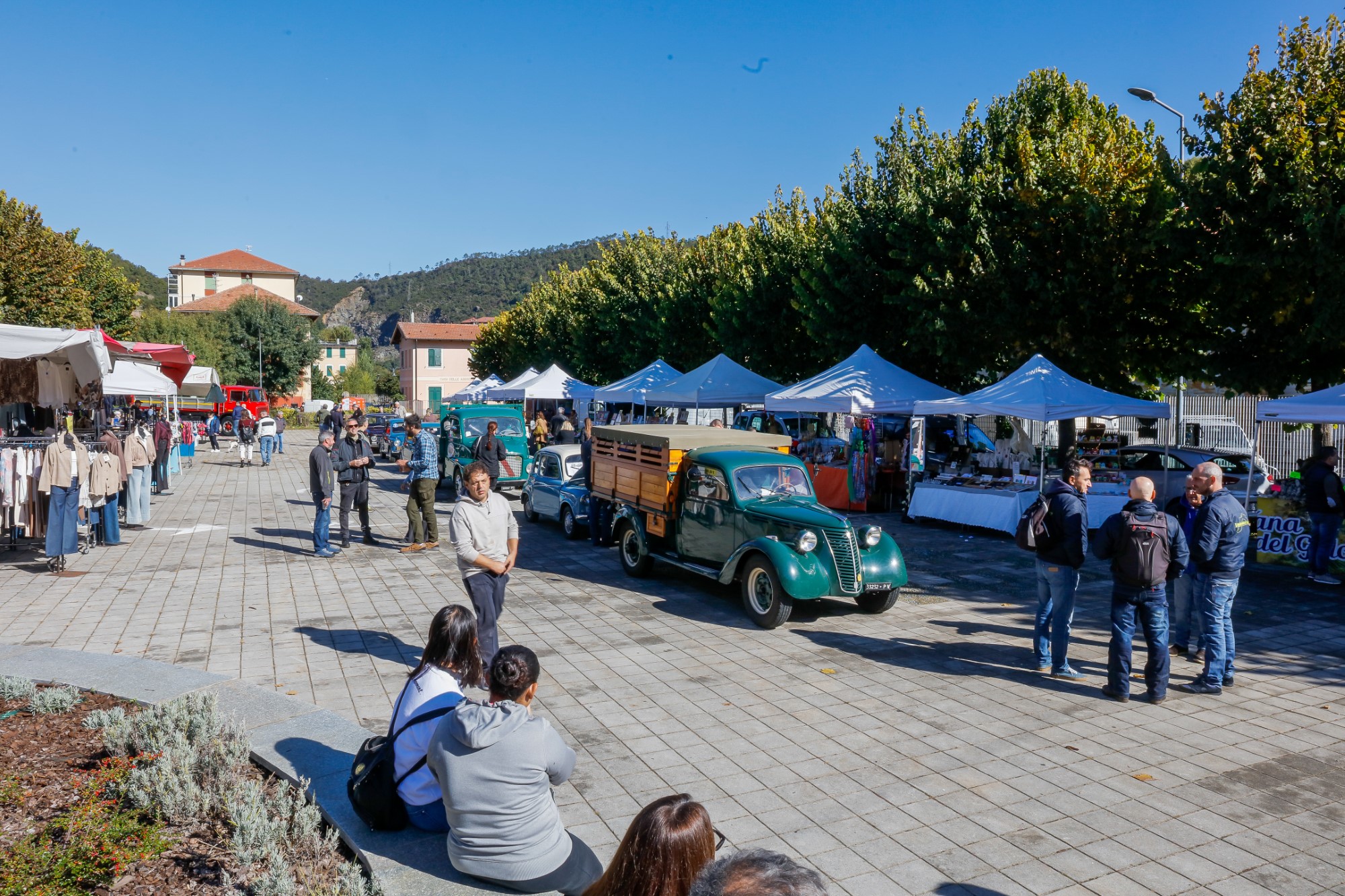
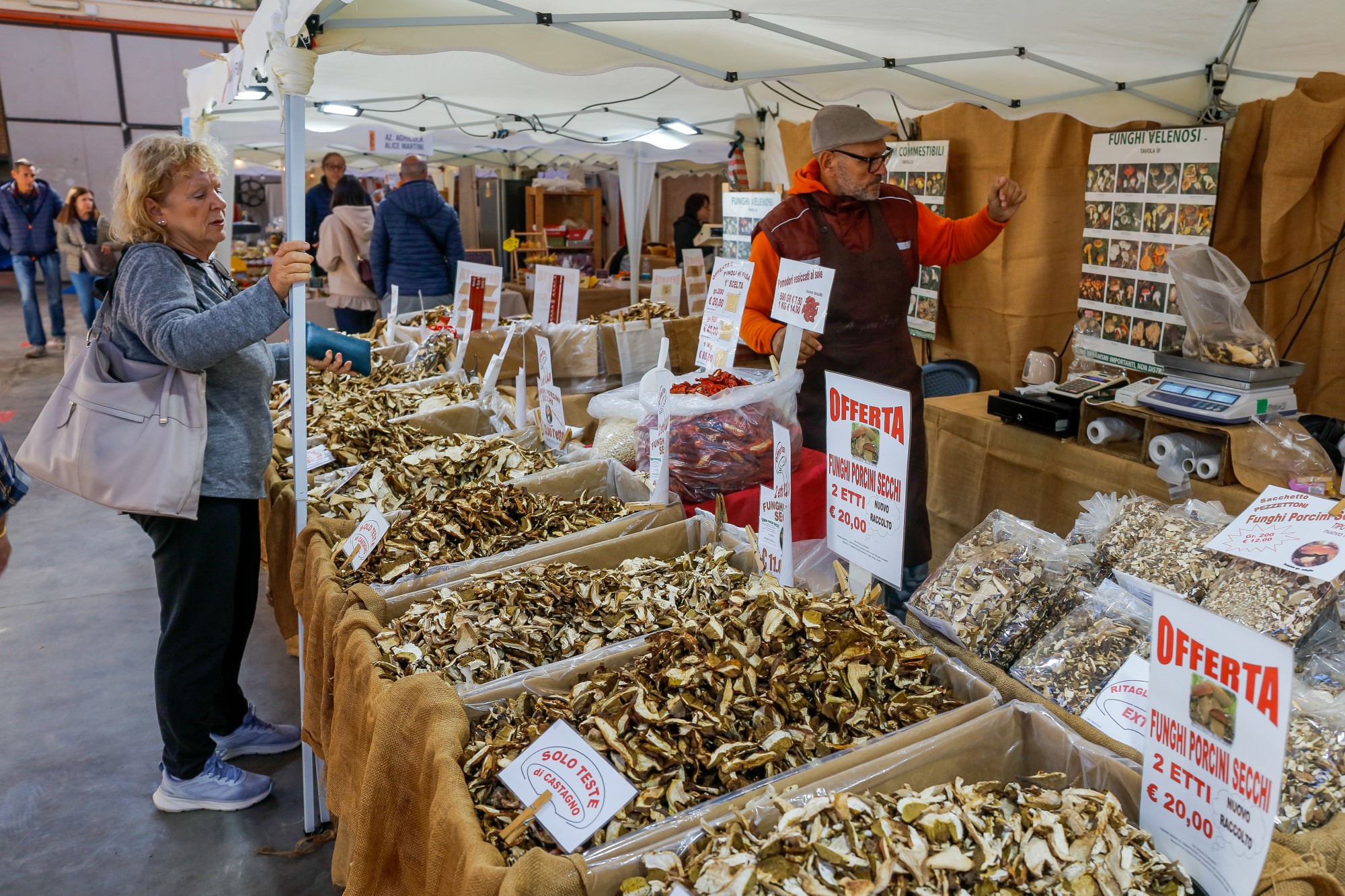
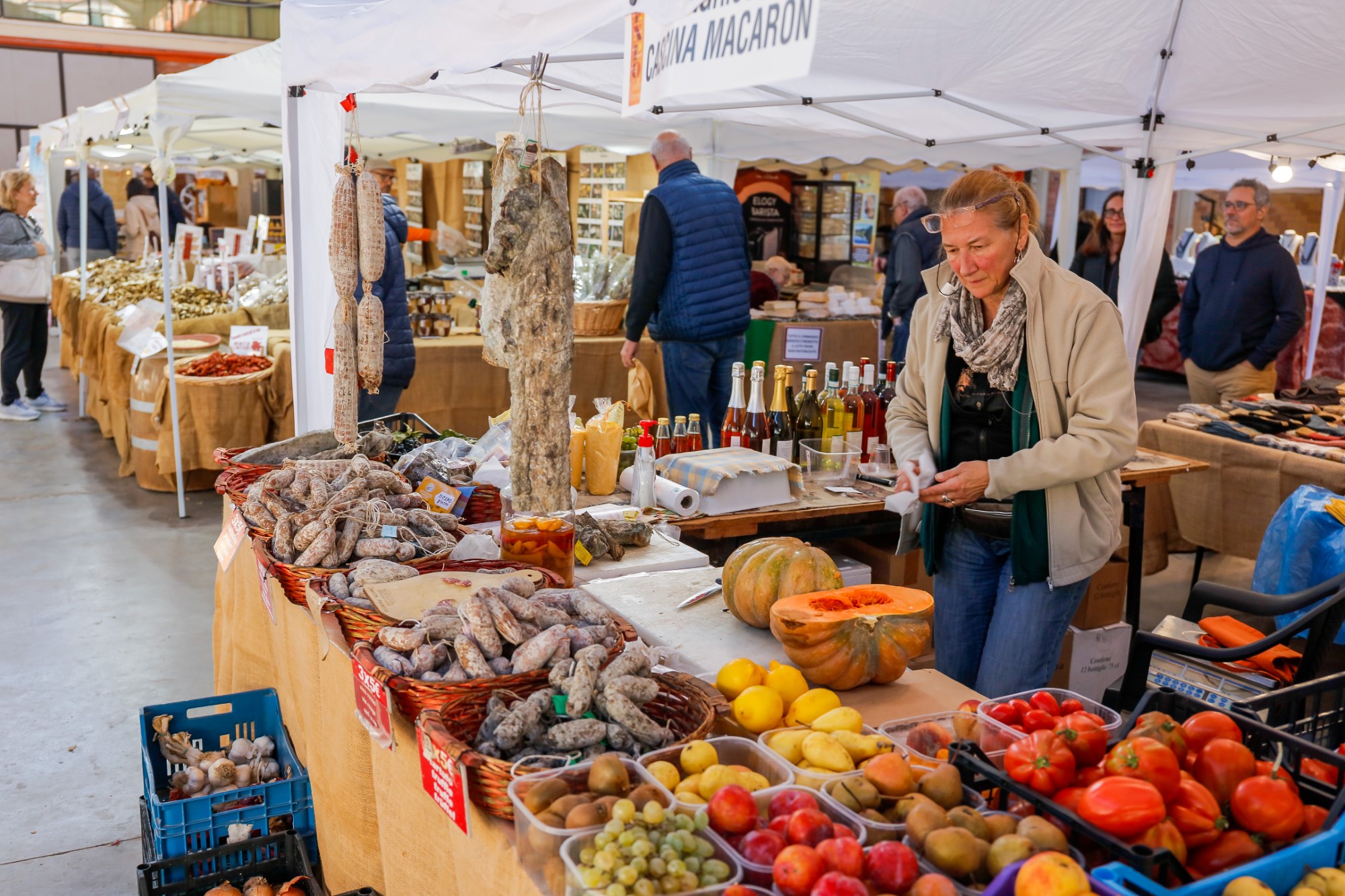
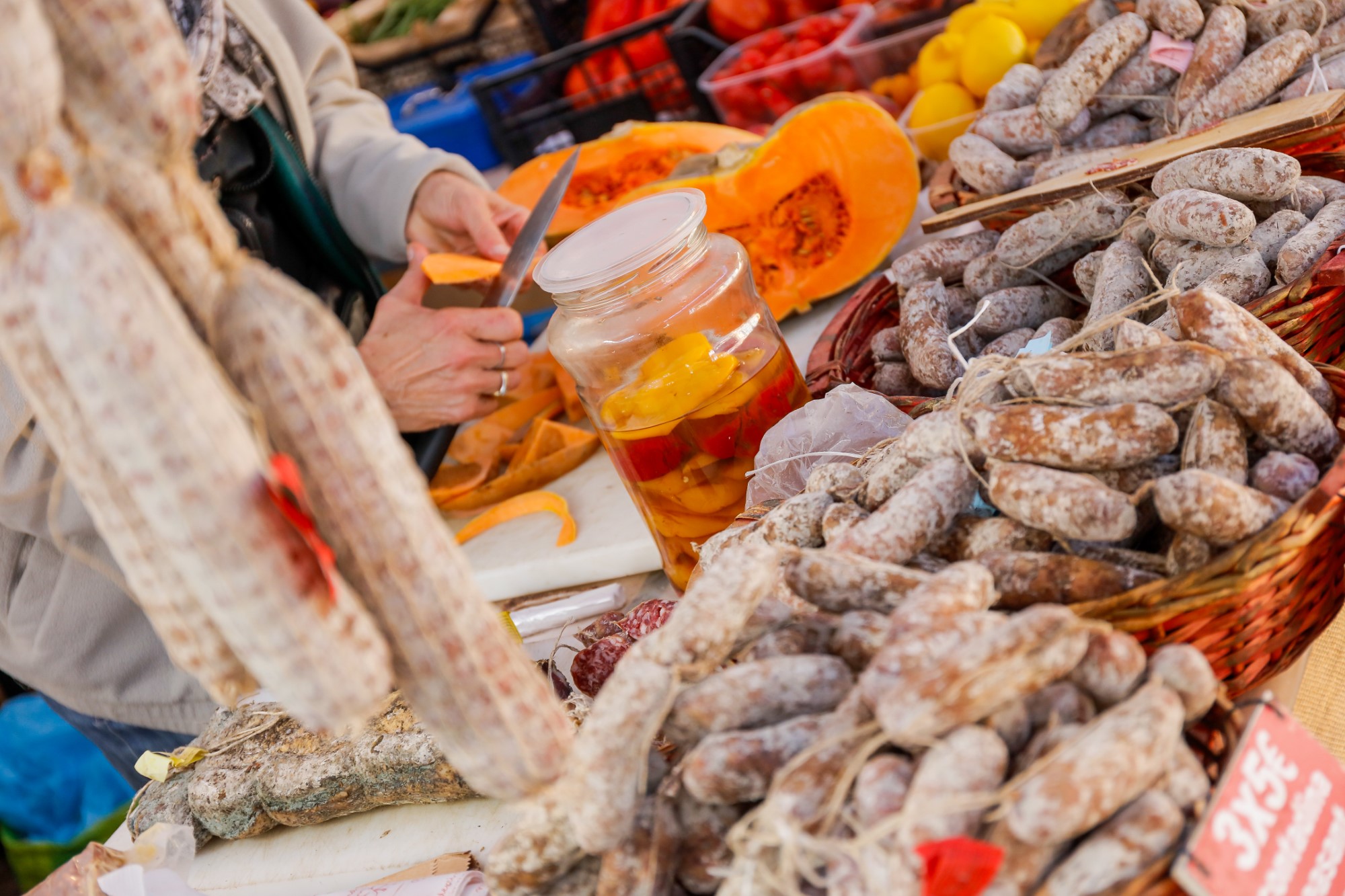
The festival is a true celebration of the autumn fruit par excellence, with tastings of roasted chestnuts, called "rustie" in the local dialect, prepared with over 30 quintals of chestnuts. The event also includes markets selling typical products and local crafts, and offers visitors the chance to immerse themselves in the history and culture of the place thanks to historical re-enactments in costume. The local community, in particular young people dressed in traditional costumes, actively participates in the organisation and management of the event, making it a unique opportunity to discover the traditions and folklore of Rossiglione.

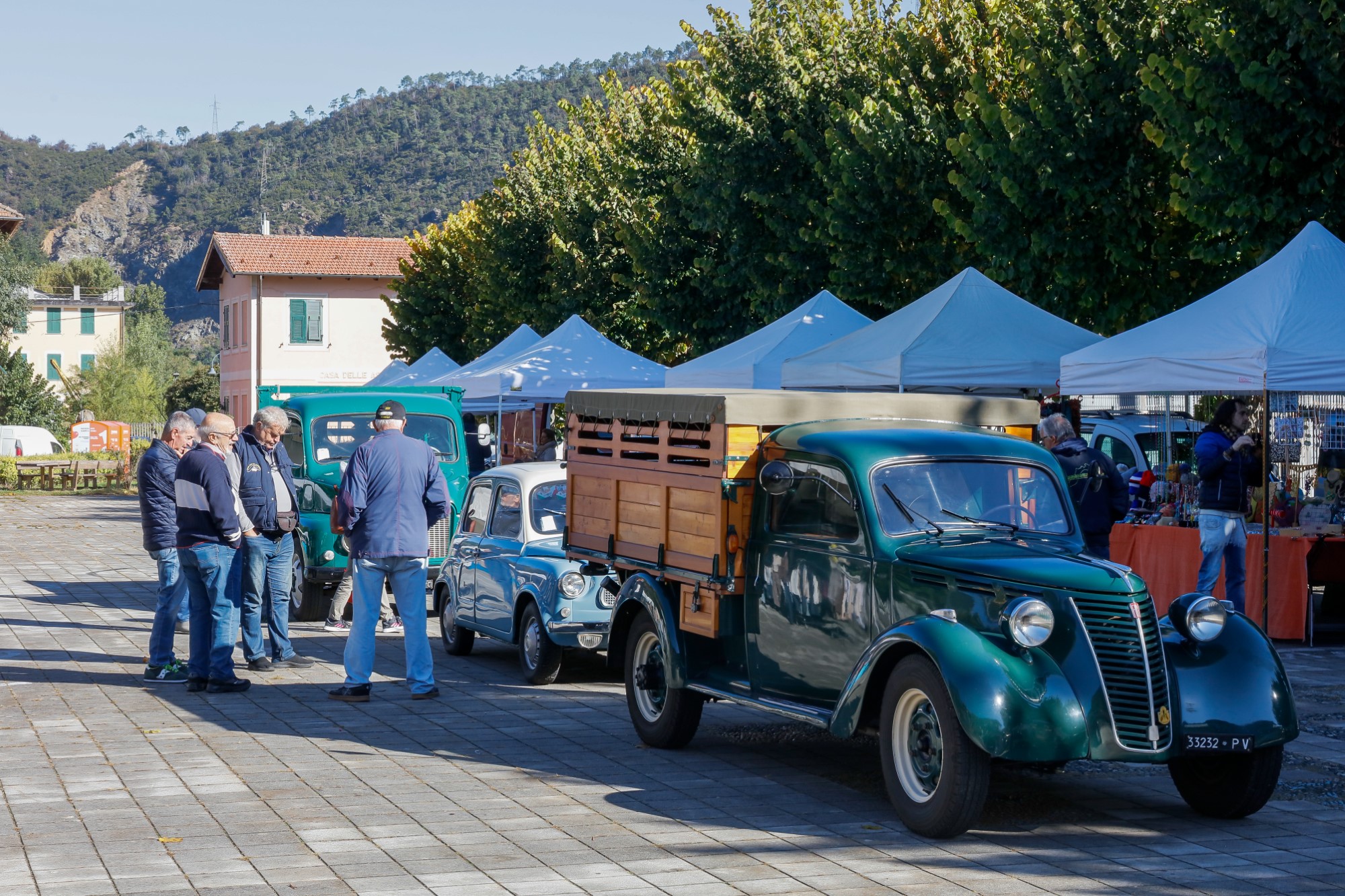
In recent years the date coincides with one of the dates of the Expo Valle Stura, two weekends of festivities during which there is a market-fair, handicrafts, concerts, gastronomy, typical products and many events. We recommend lunch in the expo restaurant with traditional dishes.

Free dinner. We recommend trying Ligurian cuisine in one of the area's typical trattorias.

Day 3 - Hiking on the Beigua Park Trail

A route in the heart of the Beigua Park, a UNESCO protected area, connecting Rossiglione to Tiglieto through unspoilt landscapes. The Beigua Park Trail is a route in the heart of nature, where it is possible to immerse oneself completely in the green forests and the tranquillity of the mountain landscape. This hiking trail is part of the Beigua Park trail network and offers several opportunities to observe the local fauna and flora as well as spectacular views.

Day 4 - Campo Ligure

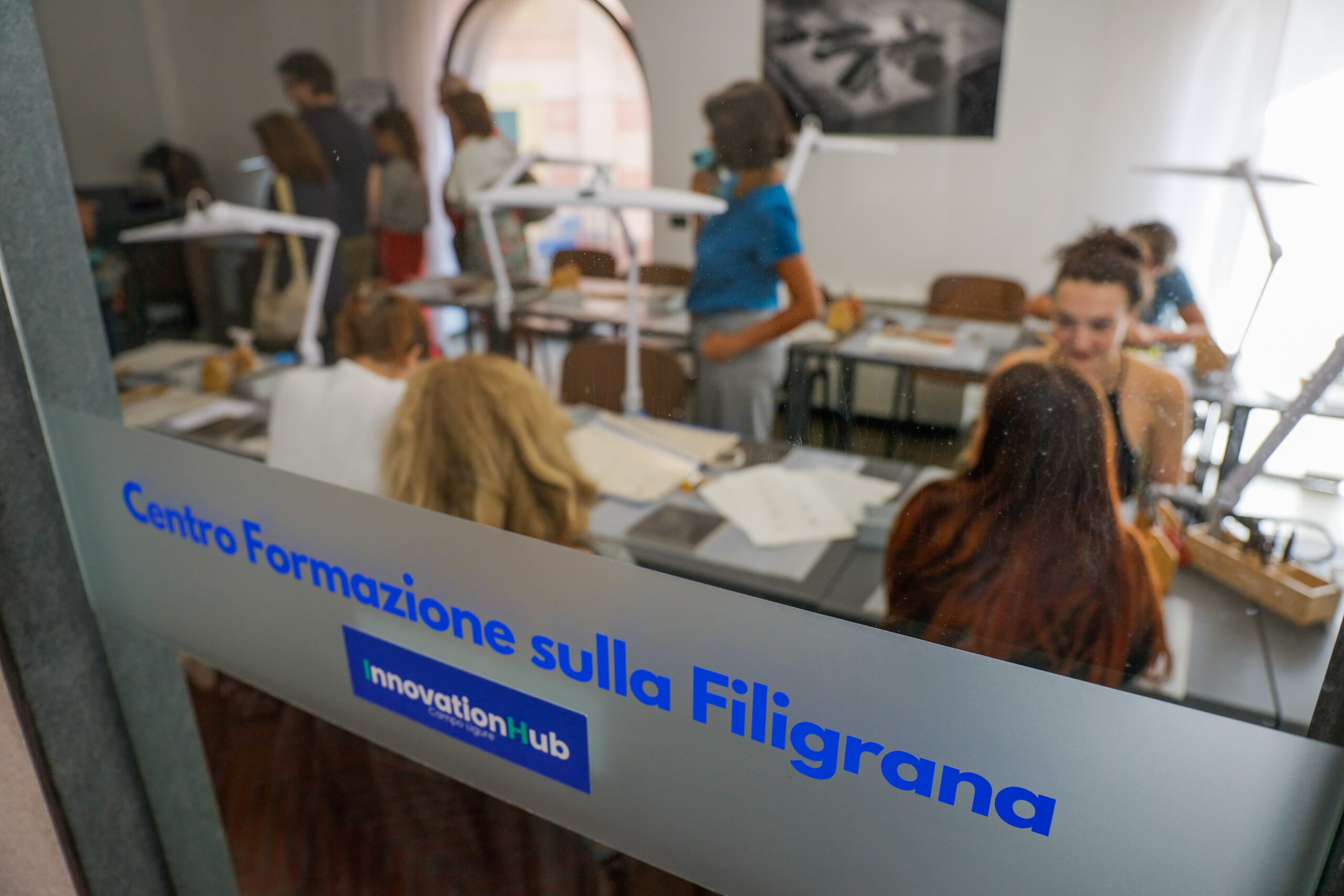
Campo Ligure is one of the most picturesque and well-preserved villages in Liguria, nestled in the Beigua Regional Natural Park. Located 400 metres above sea level in the Stura Valley, the village has maintained its historical and traditional character intact. Among the main symbols are the Spinola Castle, built between the 10th and 13th centuries, and the Ponte di San Michele, rebuilt in the 19th century. The historical centre, with its caruggi, is home to interesting buildings such as the Parish Church of the Nativity of the Virgin Mary and the Palazzo Marchionale. Campo Ligure is also famous for the art of filigree: the Pietro Carlo Bosio Museum houses more than 350 works, while the workshops allow visitors to discover the skill of the master filigree makers at first hand. The Tugnin Garden, a recreational and cultural park, is home to Gianfranco Timossi's wooden sculptures inspired by Greek mythology, the Divine Comedy and Pinocchio, creating a blend of art, history and nature.

Day 5 - Masone

Masone, in the Beigua Regional Natural Park, is one of the main centres of the Stura Valley and lies between the “Paese Vecchio” on the hill and the “Paese Nuovo” in the alluvial plain. Places of interest include the Sanctuary of the Cappelletta, the Parish Church of Christ the King and Our Lady of the Assumption with its imposing bell concert, the Oratory of the Nativity and the Church of Santa Maria in Vezzulla, a partisan shrine. The Museo Civico Andrea Tubino preserves testimonies of ironworking and rural life, while the Serpente waterfall, with its waterfalls, offers a splendid corner of nature for excursions and relaxation.

How to Get There

CarsA26 Genova-Gravellona Toce motorway, exit Ovada or Masone; follow signs for Rossiglione (about 15 km).

Train: Genoa-Acqui Terme line, Rossiglione station.

Bus: Regional connections from Genoa and Ovada to the Stura Valley.

What to see and what to do in the surrounding area

  • Visit the Passatempo Collection, a museum dedicated to 20th century objects.
  • Hiking in the Val Gargassa canyon, within the Beigua Park - UNESCO Global Geopark (beigua.it).
  • Discover local flavours in the restaurants and agritourisms of the Stura Valley.

Login

Quality Made